Home Maintenance: The Hidden Key to Stability
The $150 fix you kept meaning to schedule has a way of becoming the $9,000 emergency you can't avoid.
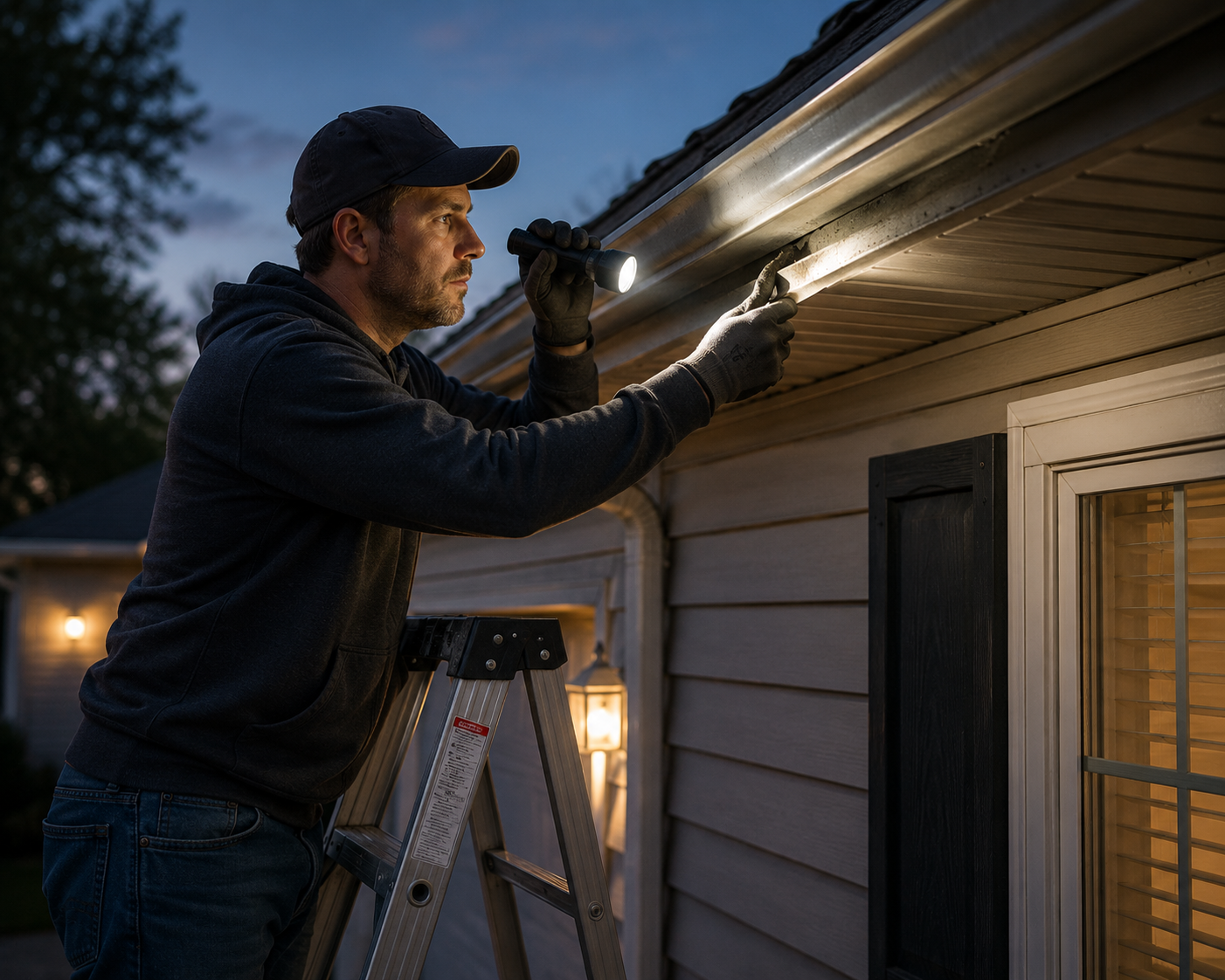
You noticed the water stain on the ceiling three months ago. It was small, and you told yourself you'd call someone about it "this weekend." Six weekends came and went. Now there's a contractor in your attic explaining that the slow roof leak has been feeding mold into your insulation the entire time, and the number he just quoted you is larger than your car payment for the next year.
You're not careless. You just never built a system for catching small home problems while they're still small. Nobody handed you a maintenance calendar when you got the keys. So your home runs the same way most undesigned systems run: fine, until it isn't, and then expensively.
Home maintenance doesn't feel like a stability issue. It feels like a chore you'll get to eventually. But the data says otherwise: the single biggest driver of financial home-emergencies isn't bad luck. It's deferred maintenance, compounding quietly until it can't be ignored anymore.
The Root Cause
ROOT CAUSE: No system was ever builtAlmost nobody is handed a maintenance schedule with their home. So maintenance defaults to reactive: you deal with a home system when it fails, not on any recurring cadence before it fails. That single design gap is what turns small, cheap problems into large, expensive ones — not negligence, just the absence of a process.
The pattern shows up the same way across every home system: the furnace, the roof, the water heater, the gutters. Each one gives early, inexpensive warning signs. Each one becomes dramatically more expensive once it's allowed to fail outright. Without a system for catching the early signal, every home eventually runs on the reactive, expensive version of maintenance by default.
The Mechanism: Small Deferrals, Large Bills
Deferred maintenance isn't a fringe problem. It's close to the median homeowner experience, and it's expensive in a very specific, measurable way.
The cost gap isn't subtle. It's not 10% more expensive to wait. In most home systems, the reactive version of a repair costs an order of magnitude more than the preventive one, because by the time a system fails outright, it usually takes something else down with it — the HVAC compressor, the ceiling below the leak, the flooring under the water heater.
Ranges reflect typical industry cost-guide estimates (Angi, HomeAdvisor, 2025–2026) and will vary by region, home size, and system age.
The Design: Building a Maintenance System
You don't need to become a contractor. You need two things: a maintenance budget, and a recurring schedule that catches problems while they're still small.
Step 1 — Diagnose
List your home's major systems: roof, HVAC, water heater, plumbing, gutters, foundation. For each one, be honest about when it was last actually inspected — not repaired after something went wrong, inspected on purpose, before anything was wrong.
Step 2 — Design
Set aside a maintenance budget using the widely used practitioner rule of 1% of your home's value per year, and build a simple seasonal calendar: HVAC before summer and before winter, gutters in spring and fall, roof and water heater once a year each.
Step 3 — Implement
Book your first inspection this week for whichever system on your list has gone longest without one. Add the remaining systems to a recurring calendar with realistic seasonal dates, not a vague "someday" reminder.
Step 4 — Iterate
After each seasonal check, note what was found and what it would have cost to ignore. This is the review step that turns maintenance from a chore into a system: over a year or two, you'll have real evidence of what the schedule is saving you, which is what makes it stick.
Book the Inspection You've Been Postponing
Think of the home system you've quietly been worrying about the longest — the noise the furnace makes, the stain on the ceiling, the water heater older than your last two cars. Schedule an inspection for it today.
2. Search for a local, licensed inspector or technician and book an appointment.
3. Add four more seasonal check-ins to your calendar for the rest of your home's major systems.
That one call is the first entry in a maintenance system — the difference between catching next winter's problem in October and discovering it in February at three times the cost.